Sleep & Sleep Apnea: Understanding the Signs, Risks, and Solutions
Good sleep is essential for every system in the body—your brain, heart, hormones, immune function, and daily energy. When sleep is disrupted night after night, your health, mood, and quality of life can decline quickly. One of the most common—and often overlooked—causes of poor sleep is sleep apnea.
At Tennessee Orofacial Myology, we focus on identifying airway issues and oral dysfunctions that contribute to sleep-disordered breathing in both children and adults.

Common Symptoms of Sleep Apnea
What is the correlation between sleep apnea and myofunctional therapy?
Myofunctional therapy addresses the muscles and habits that shape the airway.
It can help:
Improve tongue posture
Establish nasal breathing
Strengthen airway-supporting muscles
Retrain proper swallowing
Reduce nighttime mouth breathing
Support CPAP or dental appliance therapy
Improve outcomes before or after a tongue-tie release
Enhance long-term airway stability
For children, therapy can also support proper facial growth and help reduce airway obstruction over time.
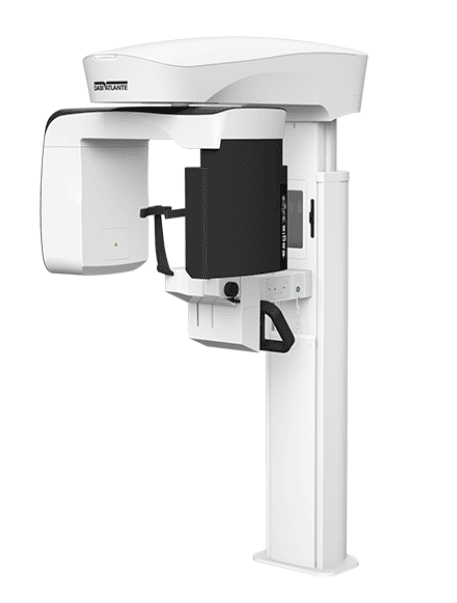
CBCT
This 3D scan gives us a highly detailed view of your teeth, jaw, airway, and surrounding structures...all with a quick, comfortable scan and low radiation. It helps us diagnose more accurately, plan treatments more precisely, and deliver safer, more predictable care for every patient.
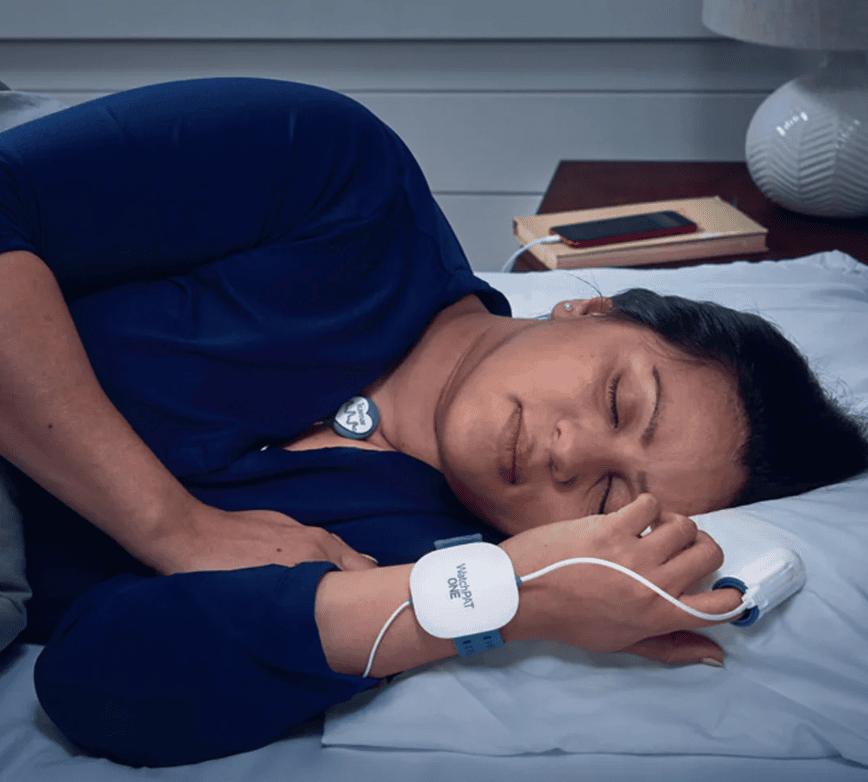
Our Sleep Testing
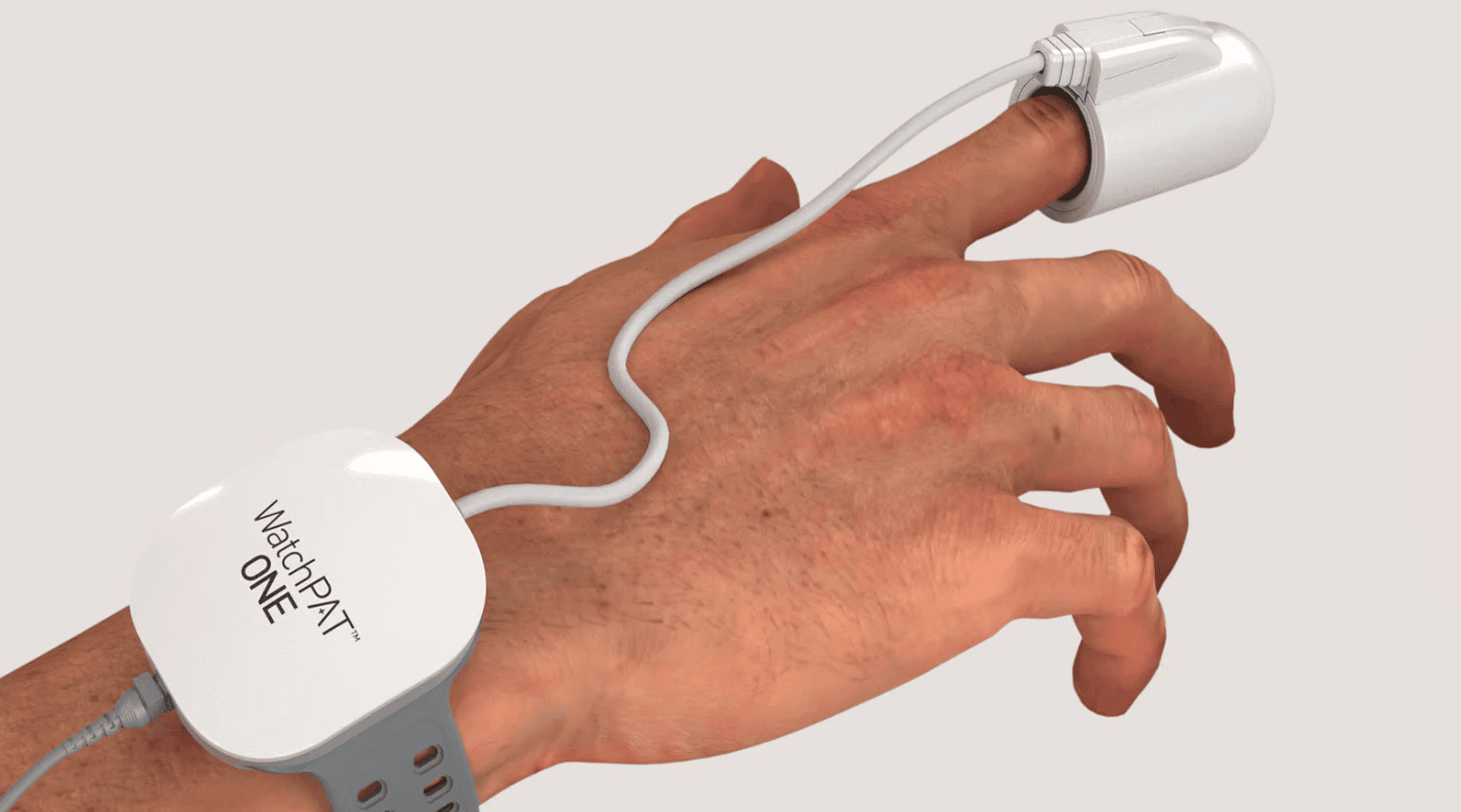
For patients who need home-based sleep screening, we use WatchPAT One, a comfortable and disposable home sleep test.
It measures:
Sleep stages
Apnea events
Oxygen levels
Snoring intensity
Heart rate variability
Sleep position